Banaba Leaf in FitSpresso: Corosolic Acid and Blood Sugar
Banaba leaf extract (2% corosolic acid) is a traditional blood-sugar herb inside FitSpresso’s 112 mg blend. Its laboratory story is interesting; its clinical evidence is thin; its dose here is small.
Check the Current Price →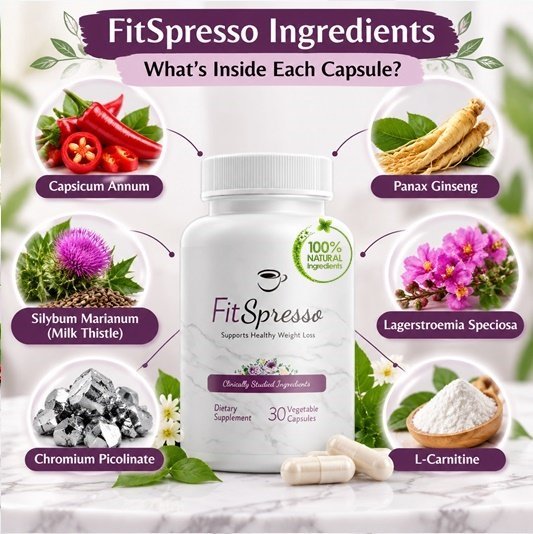
| Also known as | Lagerstroemia speciosa; active compounds: corosolic acid, ellagitannins |
|---|---|
| Amount in FitSpresso | Undisclosed share of a 112 mg blend (2% corosolic acid) |
| Role in FitSpresso | Blood-sugar support |
| Evidence | Limited |
| Main side effects | None consistently reported in controlled trials |
| Interactions | May add to glucose-lowering medicines |
What is banaba?
Banaba is a tropical Asian tree whose leaves have long been used in folk medicine for diabetes; the first research on its insulin-like activity appeared in 1940.
What the research shows
A 2012 review attributes banaba’s blood-sugar effects to corosolic acid and ellagitannins, working through increased glucose uptake into cells, slower breakdown of starches and sugars, reduced glucose production in the liver and effects on fat metabolism. Pure corosolic acid lowered blood sugar within 60 minutes in human subjects. Independent monographs are more cautious: Drugs.com notes clinical trial data are lacking to recommend banaba for any indication, with few quality trials. We found no good evidence for weight loss.
Side effects and safety
The 2012 review reports no adverse effects in animal studies or controlled human trials, but those trials were small. Pregnancy and breastfeeding data are lacking. Because it may lower blood sugar, it adds to FitSpresso’s overall glucose-lowering potential with berberine, chromium and alpha-lipoic acid.
What this means for you
On its own, the amount of banaba in FitSpresso is unlikely to change your blood sugar noticeably. Its significance lies in combination: FitSpresso also contains chromium at 1,000 mcg, berberine and alpha-lipoic acid, all of which may lower glucose. For a healthy adult that stack is probably minor; for someone on insulin or sulfonylureas, every additional glucose-lowering ingredient is worth telling your doctor about. If you monitor your blood sugar, note any changes after starting FitSpresso and share them at your next review.
Bottom line
Banaba is a minor, low-dose blend ingredient with limited evidence. Its main relevance is to people on diabetes medicine. See FitSpresso and blood sugar.